How Small Changes in Ingredients Transform the Texture of Baked Goods
Baked goods often look similar from the outside, yet their textures can vary in ways that surprise even experienced bakers. A light crumb, a firm bite, or a soft interior can emerge from decisions that seem minor at first. Many people assume that baking depends mainly on the method, but ingredients themselves hold a strong influence over how the final product turns out. Even a slight shift in what goes into the bowl can alter the way a loaf or pastry feels when eaten.
Flour stands at the centre of this discussion. Different types behave in their own ways, and the choice determines how the dough reacts from the start. When bakers select bread flour, they expect a certain structure to appear during mixing, which eventually affects the finished texture. By contrast, a softer flour leads to a gentler outcome, producing lighter goods that crumble more easily. These contrasts come from the flour’s natural properties rather than from any handling technique.
Fat content also changes texture noticeably. Butter, oils, and other fats each leave their own mark. Butter often gives a richer, firmer bite that softens as it warms. Oils create smoother textures with a more uniform crumb. Bakers who switch from one fat to another often notice the change immediately once the goods cool. Even when everything else stays the same, the results differ enough to influence how the item feels in the hand and on the palate.
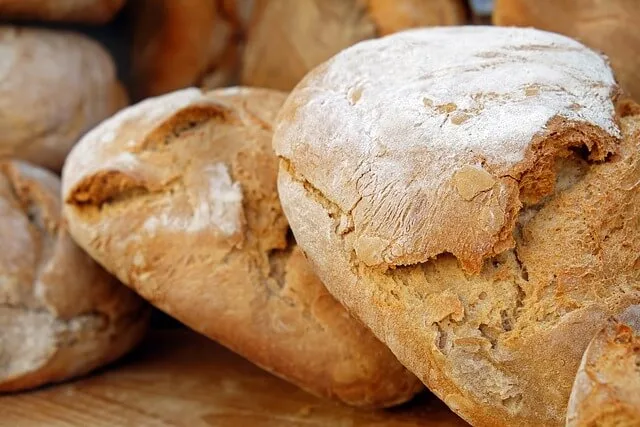
Image Source: Pixabay
Sweeteners add their own complexity. Granulated sugar can create crisp edges as it reacts to heat, giving certain pastries a slight crunch. Honey introduces moisture that lingers, creating a softer interior even in firmer recipes. Syrups behave differently again, sometimes making baked goods feel slightly denser. These changes come from how each sweetener holds and distributes moisture, which influences the texture long before baking begins.
Salt, though small in quantity, plays a quiet but important role. Its presence steadies the mixture, tightening the overall feel and preventing baked goods from turning out flat or loose. Leaving it out entirely results in softer, less controlled textures. Increasing it slightly gives a firmer bite and clearer structure. These changes might not be obvious to someone glancing at a recipe, yet they become noticeable once the goods reach the table.
Leavening agents bring another dimension. Baking powder leads to an airy rise, giving lighter goods that break apart gently. Baking soda reacts quickly, producing a more open texture when used correctly. Yeast creates a slower, more measured rise that forms layers within the dough as it develops. Each agent pushes the mixture in a different direction, and even a small change in quantity influences how the crumb forms.
Temperature of the ingredients affects the outcome too. Cold butter leaves clear layers in pastries, while room-temperature butter blends into the mixture, producing a smoother, softer structure. Warm liquids speed up reactions in certain recipes, while cooler liquids slow them down. These small shifts in temperature change the way ingredients settle together, which then shapes the bite and mouthfeel.
When bakers consider all these factors together, they see how much influence ingredients have. A loaf made with bread flour differs from one using a softer option. A pastry using honey instead of sugar develops a new texture altogether. Even a slight change in fat or liquid alters the feel more than many expect.
This attention to ingredients allows bakers to shape texture with intention. They rely on the properties within the ingredients themselves, knowing each choice leaves a mark on the final product. A mixture built on thoughtful selection often delivers the texture the baker envisioned. When bread flour or any other ingredient enters the bowl, it carries its own story, shaping the baked good from the inside out.

Comments